


Tampilan:1 创始人: Site Editor Publish Time: 2025-12-31 Origin: Site


Optimization of
Wave Soldering Process Parameters and Solutions to Common Defects
In the mass
production of the electronics manufacturing industry, wave soldering machines
serve as core equipment for through-hole component soldering, where precise
control of process parameters directly determines soldering quality and
production efficiency. The wave soldering process encompasses multiple stages
including flux application, preheating, molten solder immersion, and cooling
solidification, with complex coupling relationships existing among the
parameters of each stage—any
minor adjustment in parameters may trigger chain reactions, leading to
significant changes in solder joint morphology, strength, and reliability.
Based on production practice data from thousands of batches, this article
systematically outlines the wave soldering machine's process parameter system,
solder wave characteristics, and strategies for addressing typical defects,
providing actionable process optimization pathways for electronic assembly
enterprises.
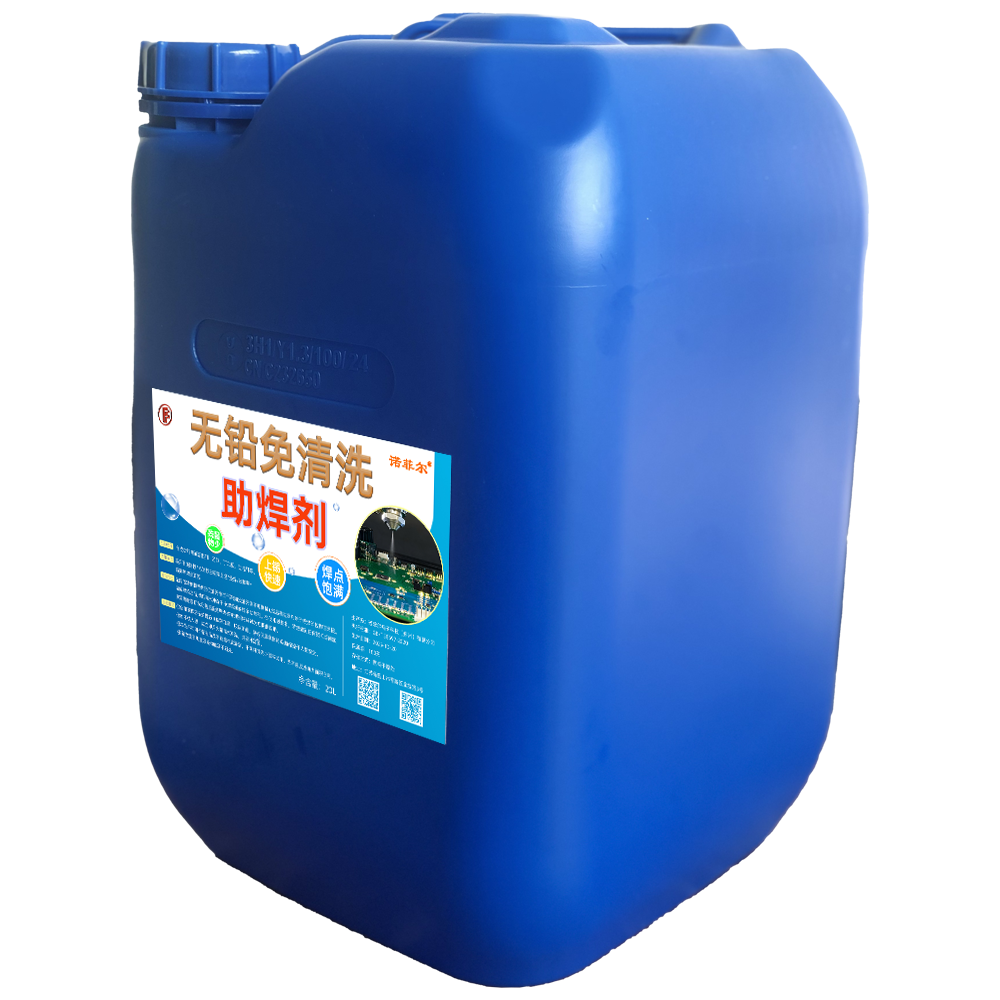
Flux Application
Process and Solder Wave Profile Design
As a key auxiliary
material in wave soldering, the application quality of flux directly affects
the wetting effect in subsequent soldering. Depending on equipment structure
and process requirements, mainstream application methods can be categorized
into three types: foam, spray, and jet, each with distinct technical
characteristics and applicable scenarios:
Foam Flux
Application Process
This process uses
compressed air to form uniform foam from flux in a foam chamber, with PCB
coating achieved upon contact with the foam. Its core control point lies in the
dynamic balance of flux concentration—due
to the volatilization rate of alcohol solvents (such as isopropanol) in
production environments reaching 0.5–1.2
g/h (at 25℃), failure to replenish diluent in a
timely manner can result in a 5% concentration increase leading to a 30% rise
in post-soldering residue, accompanied by yellowing on the PCB surface. In
practice, specific gravity should be monitored with a hydrometer every 2 hours,
and when concentration exceeds the standard value by 1.2%, specialized diluent
(typically a mixture of ethanol and ethylene glycol monoethyl ether) should be
added at a 1:10 ratio. Maintenance of the foam chamber is equally critical:
weekly disassembly and cleaning of the foam tube are required to remove flux
residue (primarily composed of rosin acid metal salts) adhering to the inner
walls; otherwise, uneven foam formation with large bubbles > 3 mm in
diameter may occur, causing coating amount fluctuations of ±20% or more. Practices at a consumer electronics company have shown
that standardized foam system maintenance can increase solder joint
qualification rates by 4.5%.
Spray Flux
Application Process
This method employs
pneumatic atomizing nozzles to uniformly sprayflux onto the PCB surface in the
form of micron-sized droplets (5–50
mm in diameter), suitable for
high-density, fine-pitch complex boards. Compared to the foam process, its
advantages include: high application precision with film thickness control
deviation ≤5 mm, meeting
soldering requirements for 0.8 mm pitch components; high material utilization
reaching over 85%, saving 30% flux compared to the foam process; and superior
environmental performance with sealed pipeline design reducing VOC emissions by
60%.
The spray process
has special requirements for flux characteristics: solid content must be ≤5% (rosin resin content ≤3%), otherwise
nozzle clogging is likely (clogging rate is positively correlated with solid
content, R²=0.91); viscosity should be controlled
between 15–25
cP (at 25℃), as higher viscosity leads to poor
atomization and droplet accumulation. An automotive electronics manufacturer
reduced bridging defect rates from 2.1% to 0.3% by selecting specialized spray
flux.
Jet Flux
Application Process
This process uses a
pressure pump to directly jet flux from small nozzles (0.3–0.5 mm diameter) to specified areas,
previously used for localized application scenarios. However, due to inherent
drawbacks—nozzle wear leading
to application deviation (±0.1
mm per month), material waste rates as high as 40%, and high maintenance costs
(30% nozzle replacement monthly)—its current market share is less than 5%, gradually being
replaced by spray processes.
Rational selection
of solder wave profile must match the component distribution characteristics of
the PCB:
Single Wave System:
Molten solder forms a single arched wave (height 15–25 mm) via a flow guide plate, suitable for pure
through-hole PCBs or simple mixed-technology boards. Its advantages include
simple structure, convenient maintenance, and 15–20% less dross generation compared to dual wave systems;
Dual Wave System:
Comprises a composite wave of turbulent wave and smooth wave. The first wave
(turbulent wave) height is 20–30
mm, ensuring solder fill for through-hole components via intense solder
agitation; the second wave (smooth wave) height is 10–15 mm with stable flow, used to eliminate bridging and
shape solder joints. In mixed-technology board soldering including SMT
components, dual wave systems can increase solder joint qualification rates by
10–15%.
Comparative tests
by a communication equipment company showed: through-hole fill rate for the
same PCB was 82% with single wave soldering, while dual wave process achieved
98%, with significantly improved solder joint appearance consistency.
Scientific Setting
of Core Process Parameters. Parameter settings for wave soldering machines must
be based on a three-dimensional balance of material characteristics, equipment
performance, and product requirements; isolated adjustment of any parameter may
lead to process instability.
Preheating System
Parameter Optimization
The core objective
of preheating is to achieve "gradient heating"—controlling the PCB soldering surface
temperature to 90–110℃ before solder contact, ensuring both sufficient flux activation
(removing oxide layers) and avoiding excessive thermal shock on components. Its
parameter settings must consider the following factors:
PCB Thickness
Impact: 1.6 mm thick PCBs require 5–8℃ higher preheat temperature compared to 0.8 mm thick boards, as
thicker boards have higher heat capacity and slower thermal conduction rates
(approximately 0.8 W/(m·K) vs 1.2 W/(m·K)). When PCB thickness exceeds 2.0 mm, dual-zone preheating is
recommended (zone 1: 60–80℃, zone 2: 100–120℃) to reduce the temperature difference between upper and lower
surfaces;
Conveyor Speed
Coordination: At standard speeds of 1.1–1.2 m/min, preheat zone length must be ≥1.5 m to ensure sufficient heating. If speed needs to increase to
1.5 m/min (increasing capacity by 25%), preheat temperature should be raised by
10–15℃, and the preheat zone extended to 2.0 m;
Component Heat
Resistance Limits: For PCBs containing sensitive components like BGA and CSP,
peak preheat temperature must be ≤100℃, and the heating rate controlled below 2℃/s
to prevent reflow of internal component solder joints.
Typical
consequences of insufficient preheating include: insufficient flux activity
leading to cold solder joints (incidence increased 3 times), increased solder
ball generation (average per board increasing from 15 to 40), and rise in
solder joint icicle proportion to 12%. One company improved preheating process
window stability to 95% by real-time monitoring of board surface temperature
with an infrared thermometer.
Precise Control of
Solder Pot Temperature
Solder temperature
is a key parameter determining solder fluidity and joint strength. For 63/37
tin-lead solder (melting point 183℃),
the optimal working temperature is 245–255℃,
where solder viscosity is about 0.012 Pa·s, possessing
optimal fluidity. Temperature control requires attention to:
Oxidation Balance:
Above 260℃, solder oxidation rate increases
exponentially (oxidation at 260℃ is 2.3 times that at
250℃), generated SnO₂ leading to solder joint inclusions and strength
reduction (from 18 MPa to 14 MPa);
Temperature
Uniformity: Temperature variation within the solder pot should be ≤±3℃, otherwise local overheating can cause
solder segregation (lead content deviation ±0.5%).
Regularly (monthly) calibrate thermocouple positions, ensuring measurement
points are 5 mm above the wave formation area;
Lead-free
Adaptation: If using SnCu0.7 lead-free solder, temperature needs to be
increased to 260–270℃, but this requires upgrading solder pot material (using 316
stainless steel) to prevent high-temperature corrosion.
Comparative data
from a power supply manufacturer showed: when solder pot temperature was stable
at 250±2℃, solder
joint qualification rate was 99.2%; when temperature fluctuated ±5℃, qualification rate dropped to 95.8%.
Conveyor Chain
Parameter Setting
Chain angle and
speed jointly determine the contact state between PCB and solder:
Angle Control: 5–6°
is the optimal range, where the PCB forms tangential contact with the solder,
contact time approximately 3–4
seconds. Angle <4° leads to excessive
solder wetting (pad coverage > 120%), increasing bridging risk; angle >7° results in insufficient wetting (coverage < 80%), affecting
conduction reliability;
Speed Matching:
Forms a negative correlation with solder pot temperature—a 10% speed increase requires a 3–5℃
temperature increase to compensate for reduced contact time. When speed
increases from 1.0 m/min to 1.4 m/min, contact time decreases from 4.2 seconds
to 3.0 seconds, requiring a simultaneous temperature increase from 250℃ to 258℃.
Unstable chain
operation (jitter > 0.5 mm) leads to periodic defects in solder joints, such
as intermittent cold solder joints and uneven solder amount. Quarterly chain
tension calibration is recommended, controlling operational deviation within
0.3 mm.
Fine Adjustment of
Air Knife System
The air knife's
role is "quantitative control"—removing excess flux (retained amount controlled at 0.8–1.2 mg/cm²)
and ensuring uniform application. Its key parameters include:
Angle Setting: A 10° inclination (angle with horizontal line) allows flux to form a
uniform film on the PCB surface; excessive angle (>15°) leads to insufficient flux at edge areas, while too small an angle
(<5°) causes excessive residue in central areas;
Air Speed Control:
Adjusted according to flux viscosity, typically 30–50 m/s. For high viscosity flux (>30 cP), air speed
should be increased to 60 m/s, otherwise droplet accumulation is likely;
Distance
Optimization: Distance between air knife nozzle and PCB surface should be 10±1 cm; too close causes local blow-off, too far reduces
effectiveness.
A PCB manufacturer improved coating uniformity to 90% (film thickness deviation ≤10%) by detecting flux film thickness with a laser thickness gauge and implementing closed-loop adjustment of air knife parameters.
Solder Impurity
Control
Impurities such as
copper and aluminum in the solder significantly degrade soldering performance.
When copper content exceeds 0.3%, solder melting point increases from 183℃ to above 190℃, fluidity decreases by 40%,
and "copper embrittlement" occurs—solder joint shear strength drops below 12 MPa.
Impurity control
measures include:
Regular Testing:
Monthly sampling and analysis using atomic absorption spectrometry to determine
impurity content, initiating alerts when copper content reaches 0.25%;
Process
Optimization: Minimize PCB solder immersion passes (≤2 times), avoiding excessive dissolution of component leads;
Pot Maintenance:
When copper content > 0.3%, perform comprehensive pot cleaning and replace
solder (add 0.5% pure tin before first soldering after cleaning to stabilize
alloy composition).
An automotive
electronics company reduced soldering defect rates caused by impurities from
3.2% to 0.8% by establishing a solder impurity early warning mechanism.
Systematic
Solutions for Common Soldering Defects
Defect analysis in
wave soldering should employ the "Fishbone Diagram" method,
investigating root causes from the five dimensions of Man, Machine, Material,
Method, and Environment, avoiding simplistic attribution.
Insufficient Solder
Fill and Cold Solder Joints
80% of such defects
stem from the following reasons:
Low solder
temperature (<240℃) leading to
insufficient solder fluidity; confirm actual temperature with an infrared
thermometer rather than relying on gauge display (typically has 5–8℃
deviation);
Insufficient flux
activity, manifested as uncleared pad oxide layers (appearing dark brown);
replace with flux containing higher activator content (organic acid content
increased from 3% to 5%);
Excessive preheat
temperature (>120℃) causing premature
flux decomposition, losing wetting function; reduce zone 2 preheat temperature
by 10℃ and extend zone 1 preheat time.
One case showed: by
increasing solder temperature from 240℃
to 250℃ and adjusting flux activator ratio, the cold
solder joint rate decreased from 7.5% to 1.2%.
Bridging and Short
Circuits
Unintended connections between adjacent solder joints are mainly caused by:Excessive flux application (>1.5 mg/cm²); increase air knife speed by 5 m/s or increase angle to 12°;Excessively small chain angle (<4°) causing excessive PCB-solder contact area; adjustment to 5.5° can significantly improve;Unstable solder wave (fluctuation > 2 mm); inspect solder pump impeller and remove foreign object blockages.In 0.65 mm pitch pin soldering, bridging rates can be reduced from 5% to 0.3% through the above measures, with the key being controlling surface tension balance during solder separation.
PCB Surface
Contamination
Countermeasures for excessive post-soldering residue or white crystalline formation:Pre-coated PCBs require matching specialized flux: rosin-based flux can effectively avoid "whitening"; if no-clean is required, choose modified alcohol-based flux compatible with the pre-coating rosin;
Hot air leveling PCBs should use low solid content flux (<3%), and increase cleaning water temperature to 60℃ to enhance residue dissolution;Control flux solid content: each 1% increase in solid content increases residue by approximately 0.2 mg/cm²; cleaning is required when exceeding IPC standard (≤0.5 mg/cm²).A communication equipment company improved PCB surface cleanliness qualification rate from 82% to 99% by switching to a compatible flux.
Dross Residue and
Rough Solder Joints
Excessive impurities in solder (copper > 0.3%, iron > 0.05%) are the main cause; solution steps include:Emergency Treatment: Add dross reducing agent (e.g., specialized antioxidant), which can reduce floating dross by 50%;Root Cause Management: Schedule pot cleaning to thoroughly remove bottom sediments (primarily composed of Cu₃Sn, FeSn₂);Preventive Measures: Install solder filtration device (50 mm filter), clean weekly.Post-cleaning solder joint roughness (Ra) can decrease from 3.2 mm to 1.6 mm, significantly improving solder joint reliability.Process Synergy and Continuous Improvement System
Quality control in wave soldering cannot rely on single parameter optimization but should establish a closed-loop management mechanism of "Parameter–Defect–Adjustment":Establish Process Database: Record optimal parameter combinations for different products (e.g., PCB thickness 1.6 mm corresponds to preheat 100℃, speed 1.1 m/min, temperature 250℃), directly callable and fine-tunable during new product trial production;
Implement Statistical Process Control (SPC): Real-time monitoring of key parameters (temperature, speed, flux application amount), initiating correction procedures when CPK value < 1.33;Supplier Collaboration: Establish joint testing mechanisms with flux and solder suppliers, conduct new material validation quarterly, introducing superior performance auxiliary materials.A large EMS enterprise shortened new product trial production cycles by 30% and stabilized soldering qualification rates above 99.5% by building a process knowledge management system.The optimization of wave soldering processes is endless. With the trends towards lead-free and high-density assembly, future focus should be on: temperature window adaptation for low-silver solders, thermal shock protection for miniaturized components, and application of intelligent parameter self-adjustment systems. Only by transforming process parameter control into systematic knowledge assets can technological advantages be maintained in the fierce competition of the electronics manufacturing industry.
 Su Gongwang Security 32058302004438