


Tampilan:1 创始人: Site Editor Publish Time: 2026-04-07 Origin: Site


Full analysis of traditional chip
packaging process: precision transformation from wafer to finished product
In the long chain of the semiconductor
industry, the packaging process is like the "final molding workshop"
of chips, transforming the processed wafers into electronic components that can
be directly applied. This process may seem like a simple "packaging",
but in fact it includes more than 15 precise processes, each of which needs to
be controlled to the micron level - the equivalent of engraving on a
cross-section of a hair. Although the traditional packaging process has been
developed for more than half a century, its core logic has always revolved
around three major goals: protecting the chip from environmental damage,
achieving efficient output of electrical performance, and meeting the size and
cost requirements of downstream applications. This article will systematically
disassemble the complete process of traditional packaging, revealing the
technical details and quality control mysteries behind each process.
1. Wafer thinning: precision grinding
for chip "slimming"
Wafer thinning is the first critical process in traditional packaging, as it "paves the way" for subsequent processes. The thickness of the original wafer (8" or 12") is typically 600-800μm, which not only increases the package size, but also leads to inefficient heat dissipation and signal transmission delays. The thinning process uses mechanochemical grinding (CMP) technology to precisely control wafer thickness from 50-150 μm, and in some special applications it can even be reduced to less than 20 μm – the thickness of two A4 sheets.
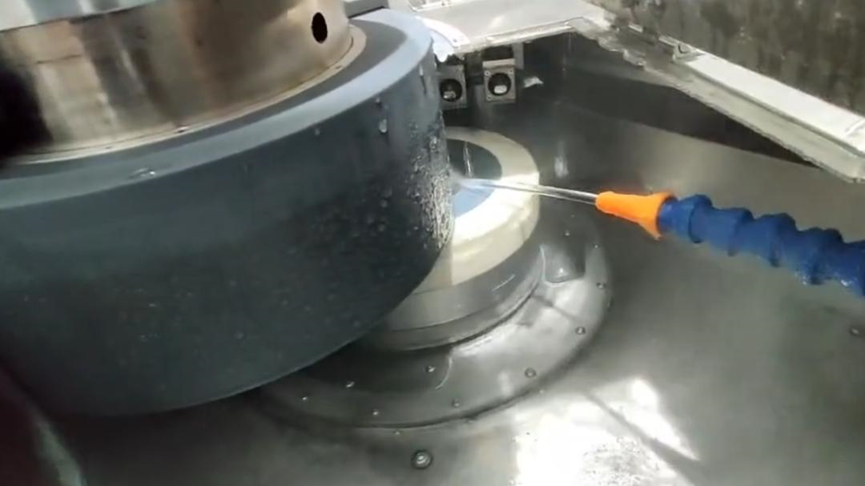
The triple technical objectives of the
thinning process are clear. From the perspective of space, the thinned wafer
can reduce the thickness of the final package by more than 40%, meeting the
needs of mobile devices and other devices for thinness and lightness. From a thermal management perspective, the reduction in thickness reduces
the thermal resistance from 25°C/W to less than 10°C/W, and test data from a
power device shows that the operating temperature of a chip thinned to 100μm is
reduced by 15°C compared to the unthinned sample; In terms of electrical
performance, thinner wafers effectively reduce parasitic capacitance (from
0.5pF to 0.2pF) and on-resistance (10-15% reduction), reducing high-frequency
signal transmission delays by 20%.
The technical challenges of precision
grinding cannot be underestimated. When the thickness
is less than 100μm, the flexural strength of the wafer drops from the original
300MPa to less than 100MPa, which is very easy to crack in subsequent
processes. For this reason, modern thinning equipment (e.g. DISCO DGP-8760)
uses a "step-by-step grinding" strategy: 70% of the thickness is
first removed with a coarse abrasive wheel (1200 mesh) with a feed rate of
5μm/s; Then switch to a fine grinding wheel (3000 mesh) to remove 25%, and the
feed rate is reduced to 1μm/s; Finally, the remaining 5% is removed by chemical
etching to avoid the accumulation of mechanical stress. The ionized water
cooling system (flow rate 500mL/min±50) is used throughout the process to ensure
that the grinding temperature does not exceed 40°C to prevent the wafer from
bending due to thermal stress (the bending degree should be controlled at
<50μm).
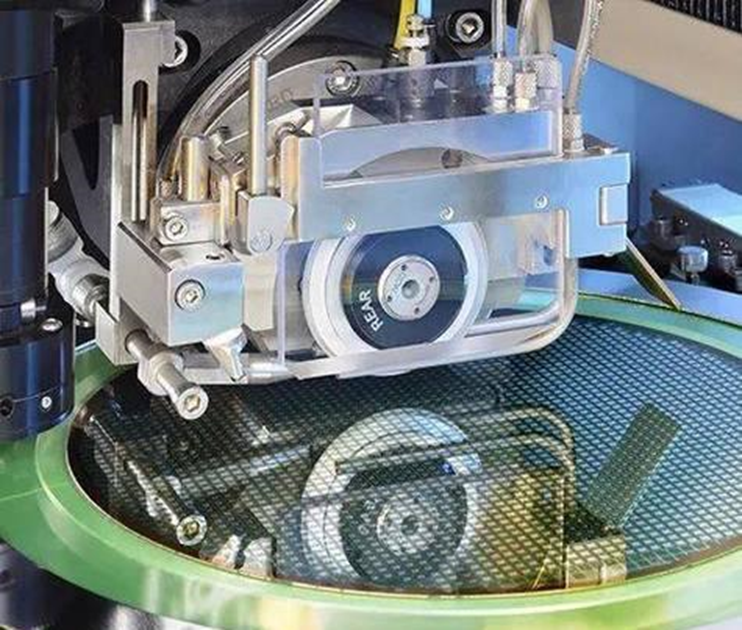
The quantitative standards of quality
testing are strictly standardized. The thinned wafer
needs to meet the following requirements: thickness uniformity (TTV) < 5 μm
(12-inch wafer), surface roughness Ra< 0.5 nm, and chipping size < 10 μm.
Statistics from one packaging plant show that when the TTV is controlled within
3 μm, the yield of subsequent cutting steps can reach 99%, and when the TTV
exceeds 8 μm, the yield plummets to 85%.
2. Wafer cutting: precise
"cutting" of chip separation
The thinned wafer is like an integrated
circuit map, which needs to be separated into separate dies by dicing. The
accuracy of this process directly determines the integrity of the chip - a
deviation of 0.1mm can lead to the scrapping of chips worth hundreds of yuan.
As chip sizes evolve from millimeters to submillimeters, cutting lane widths
have shrunk from the traditional 100μm to less than 50μm, equivalent to the
diameter of a hair.
Protective measures before cutting are crucial. A blue protective film (UV film) should be applied to the front of the wafer (active area), and its viscosity should be precisely controlled at 50-80g/in (1in=25.4mm) - too low viscosity will cause chip displacement during cutting, and too high will cause damage during subsequent take-up. The lamination process takes place in a Class 100 clean room, ensuring a bubble rate < 0.1% and a bubble diameter < 50 μm. For ultra-thin wafers (<50μm), an additional layer of support glass is applied to prevent wafer deformation during cutting.
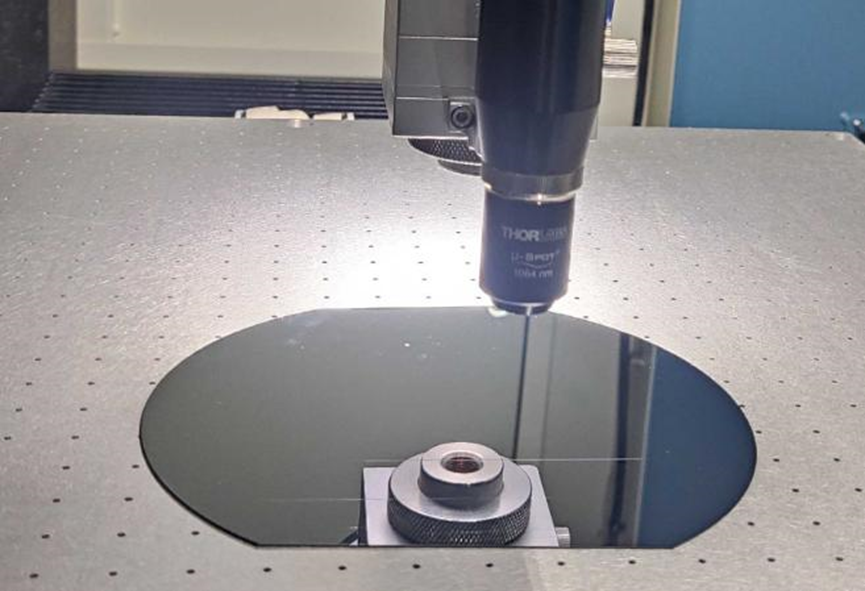
The iterative evolution of the three
generations of cutting technology is clearly visible. As a first-generation
technology, mechanical cutting uses diamond blades (20-50μm thickness) that
rotate at high speed (30,000-40,000rpm) to achieve separation by mechanical
force, and has the advantage of low cost (blade life of about 500 wafers), but
it has the defects of large chipping edges (up to 20μm) and slow speed (15
minutes per 8-inch wafer), which has gradually been
phased out.
As a second-generation technology, laser
cutting is divided into two modes: full cutting and hidden cutting. The all-cut
mode burns through the wafer directly with a high-energy CO₂
laser (wavelength 10.6μm) at a cutting speed of up to 100mm/s, which is 5% of
mechanical cutting but can produce heat-affected zones
(HAZ) and debris. The hidden cutting mode is more precise: first, a UV laser
(wavelength 355nm) is used to form a modified layer inside the wafer (20-30μm
from the surface), and then the chip is separated by mechanically stretching
the back tape, and the heat-affected zone can be controlled at <5μm and the
chipping edge is <3μm, which is especially suitable for cutting precision
chips such as 3D NAND.
As a third-generation technology, plasma
cutting achieves separation through the chemical reaction between CF₄/O₂ plasma
and silicon, and the cutting path width can be reduced to 20μm, almost without
damage, but the equipment cost is up to 10 times that of mechanical cutting,
mainly used for advanced process chips below 5nm. Data from one fab shows that
plasma cutting can result in 10% more effective chips per wafer, significantly
reducing the cost per unit.
Key indicators of cut quality include: cutting path deviation <5 μm, chip dimensional accuracy ± 10 μm,
and surface cleanliness (10 < with particle count > 0.3 μm). Automated
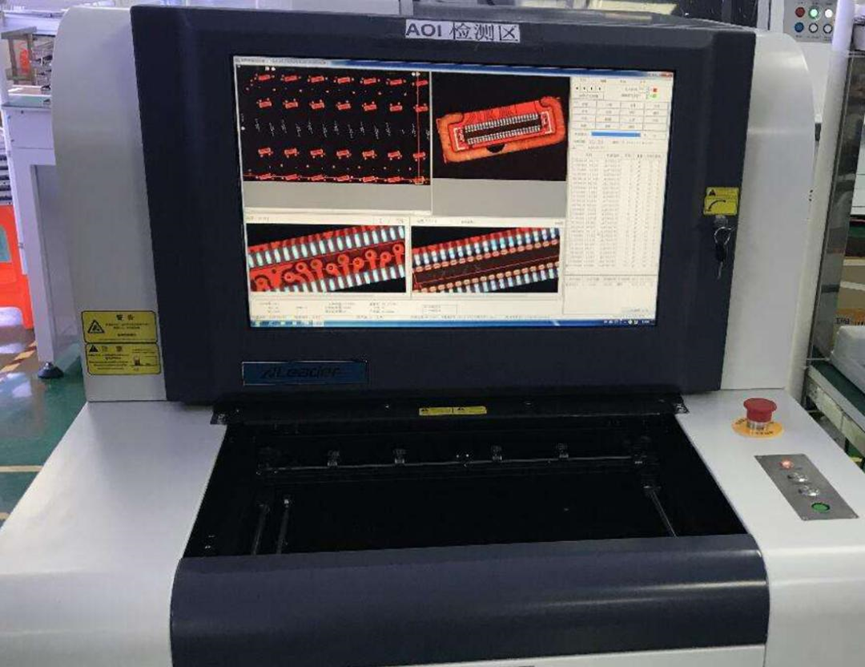
optical inspection (AOI) equipment inspects 100% of each chip, ensuring that
there are no defects such as cracks and chipping.
3. Die Attach: The precision of chips
"settles down"
The cut chip needs to be fixed on the packaging substrate through the patch process, which is like "settling down" for the chip. The accuracy and strength of the patch directly affect the subsequent bond quality, and a 0.1mm offset can lead to bond failure. Modern patch technology has achieved positioning accuracy of ±2μm, which is equivalent to 1/25 of the diameter of a hair.
The technical characteristics of
packaging substrates are diverse. There are two types of substrates commonly
used in traditional packaging: lead frames and IC substrates. The lead frame is
made of copper alloy (C19400), with a thickness of 0.2-0.5mm, nickel plated
(3-5μm) on the surface to prevent oxidation, low cost (about 0.1 yuan/ piece), suitable for traditional packaging such as SOP and QFP; IC
carrier boards are high-density PCBs with line widths/spacing of up to
20μm/20μm, using BT resin or ABF materials, which can achieve more I/O pins and
cost 5-10 times more than lead frames, and are used in advanced packaging such
as BGA and CSP.
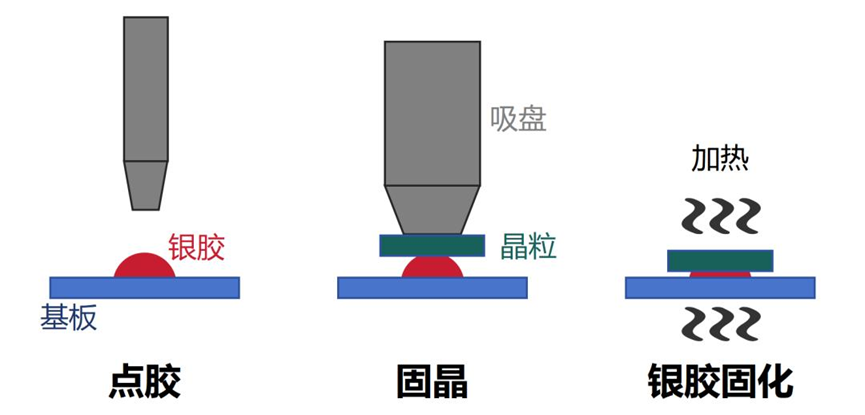
Each of the three mainstream patch
technologies has its own focus. Epoxy bonding is the most commonly used method,
where silver glue (epoxy + silver powder, 70-85% silver content) is applied to the substrate through a dispenser (accuracy ±5μm),
then the chip is pressed (pressure 50-100g) and baked at 150°C for 60 minutes
to cure. The thermal conductivity of silver adhesive can reach 1-5W/m・K and the bonding strength is > 20MPa, making it suitable for
low- and mid-range products such as consumer electronics.
Eutectic bonding is connected by Au-Si
(melting point 363°C) or Sn-Au (melting point 280°C) eutectic alloy, heated to
eutectic temperature in a nitrogen atmosphere to form an intermetallic
compound, with a thermal conductivity of > 30W/m・K and a bonding strength of > 30MPa, which is suitable for
high-end fields such as aerospace and military industry, but the process is
complex and the cost is 5 times that of silver glue.
Soldering bonding is divided into soft
brazing (Sn-Pb alloy, melting point 183°C) and hard brazing (Au-Ge alloy,
melting point 356°C), which realize the connection through the melting of the
solder, and is suitable for high-current scenarios such as power devices. Under
the trend of lead-free, Sn-Ag-Cu (SAC305) solder is widely used, with a melting
point of 217°C and RoHS compliant.
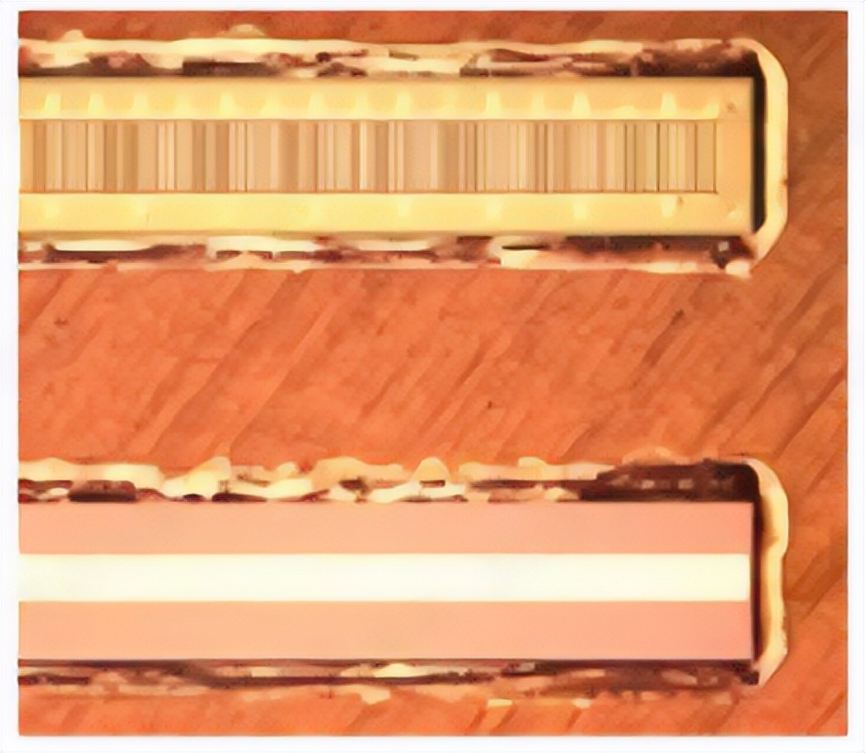
The technology of SMD equipment has evolved significantly. From manual placement (accuracy ±50μm) to semi-automatic placement (±20μm) to ±2μm in fully automated placement machines such as K&S Maxum, the speed has increased from hundreds to tens of thousands of chips per hour. The placement machine uses a dual vision system (top and bottom cameras) to achieve precise alignment by identifying the mark points on the chip and substrate, and the image processing time < 10ms. According to data from a packaging plant, the yield rate increased from 95% to 99.5% after fully automated placement, reducing waste of 5,000 chips per day.
4. Wire Bonding: The Microscopic
"Bridge" of Electrical Connections
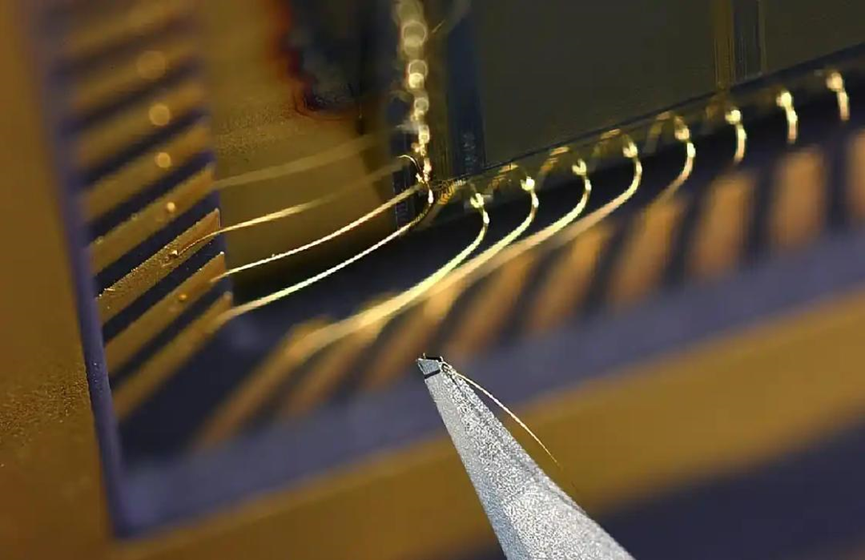
After the placement is completed, an electrical connection needs to be established between the chip pad and the substrate through the wire soldering process, which is like "laying wires" for the chip. The number of gold wires that need to be soldered for each chip ranges from a few to thousands, and it is no less difficult to complete the precise connection of gold wires with a diameter of 25-50μm under a microscope than to erect a steel wire with the thickness of a hairline at an altitude of 100 meters.
The physical mechanism of the wire
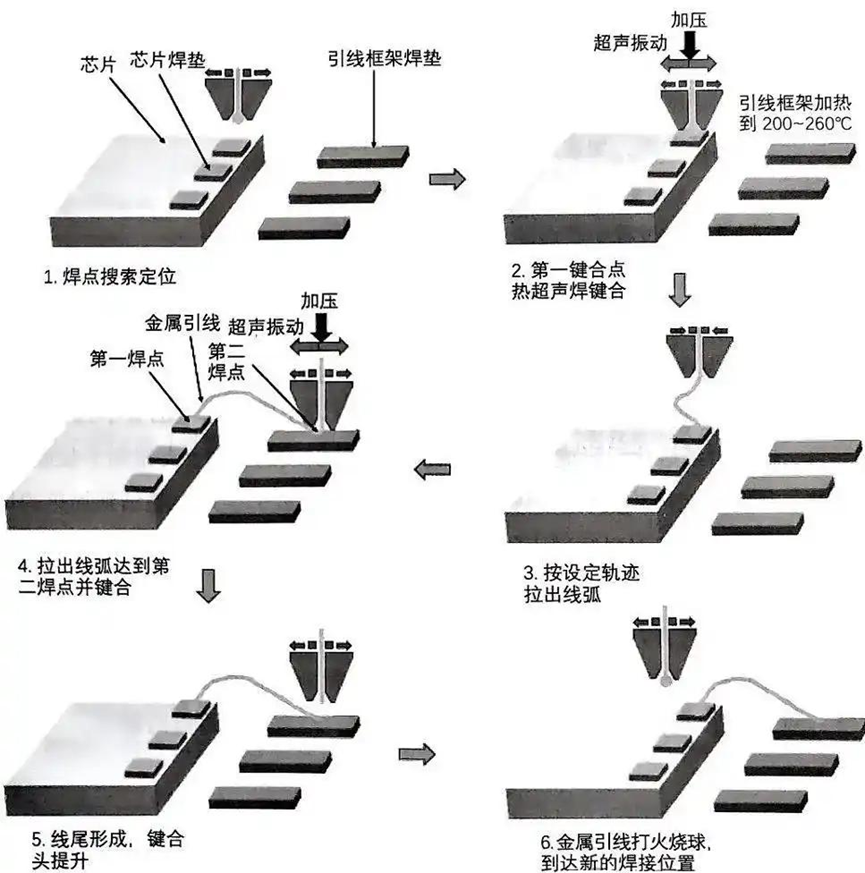
welding process is complex. Thermosonic bonding is
the most commonly used technique, through the synergistic action of temperature
(150-250°C), pressure (50-200g) and ultrasonic waves (20-60kHz), so that the
metal leads and the surface of the pad are plastically deformed, destroying the
oxide layer and forming interatomic bonds. The whole process is divided into
six steps: burning the ball (electric ignition to form a gold ball with a
diameter of 50-100μm at the top of the gold wire), first bonding (combining the
gold ball with the chip pad), pulling the wire (forming a wire arc), second
bonding (combining with the substrate pad), breaking the wire, and moving to
the next pad, the whole process takes < 100ms.
The choice of lead material has its own advantages and disadvantages. Gold wire (99.99% purity), good electrical conductivity (resistivity 1.58μΩ・cm), and chemical stability, are the first choice for high-frequency chips, but they are expensive (about 400 yuan/gram), accounting for 10-15% of the packaging cost. Copper wire (99.95% purity) costs only 1/5 of gold wire, has a resistivity of 1.67μΩ・cm, and has similar performance, but is prone to oxidation, and needs to be soldered in a nitrogen atmosphere (oxygen content <10ppm), making it suitable for low- to medium-end products. Silver wire (resistivity 1.59μΩ・cm) has excellent performance, but it is easy to migrate and is rarely used. Aluminum wire (resistivity 2.65μΩ・cm) has the lowest cost, but has low bond strength and a yield of <90%, so it is gradually being phased out.
Key indicators of wire quality include: bond strength (gold wire > 15g, copper wire > 20g), wire arc
height (±10μm), and solder joint diameter (gold wire ball weld diameter is
2.5-3 times the wire diameter). The tensile testing machine samples 5 times per
hour to ensure that the bond strength meets the standard; AOI equipment checks
the shape of the solder joints and whether there are defects such as virtual
welding. Tests of an automotive-grade MCU showed that the contact resistance of
the solder wire should be controlled at <50mΩ, otherwise it would lead to a
decrease in signal integrity.
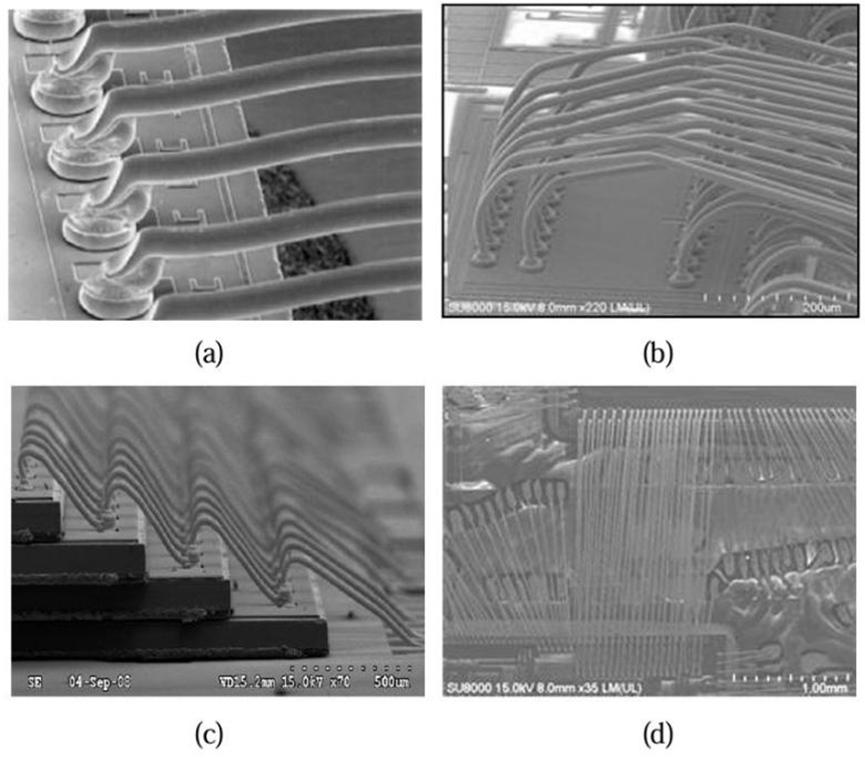
The technological breakthrough of high-density welding wire is remarkable. As the number of chip I/O has increased from hundreds to thousands, the solder wire spacing has been reduced from 50μm to 30μm, and the 25μm pitch can be achieved with copper wire wedge soldering technology, which can accommodate 1000 solder joints per square millimeter. A 5G chip has 2,000 I/O numbers through high-density soldering wires, and the data transmission rate has been increased to 10Gbps, which is 2 times faster than traditional solutions.
5. Molding: the strong "armor"
of chips
After the wire is soldered, the chip needs
to be sealed and protected, a step called mold sealing, which is like putting
on a "body armor" for the chip. The molded material should be
resistant to temperature changes (-55°C to 125°C), humidity (85% RH) and
mechanical shock, while providing good heat dissipation and insulation
properties.
The three packaging material systems
have their own merits. Plastic packaging occupies more than 90% of the market
share, using epoxy plastic encapsulation material (EMC), composed of epoxy
resin (matrix), silicon micropowder (filler, 60-80%), curing agent, etc., low
cost (about 0.1 yuan/piece), but thermal conductivity is only 0.8-1.5W/m・K, suitable for consumer electronics.
Ceramic packaging uses Al₂O₃
or AlN ceramics, with a thermal conductivity of up to
200W/m·K, good air tightness (leakage rate <
1×10⁻⁸Pa・m³/s), but the cost is 10-20 times that of
plastic packaging, and is used in the aerospace and military industry.
Metal packaging is made of Kovar alloy or
copper, which has excellent electromagnetic shielding properties and is
suitable for RF front-ends, but is heavy and costly.
The key performance indicators of epoxy
plastic encapsulants include: glass temperature (Tg>150°C),
bending strength >100MPa, volume resistivity >10¹⁴Ω cm, and water absorption <0.2%. Product testing by an EMC vendor
showed that its material retained its tensile strength > 90% and stabilized
at 4.5±0.2 after aging at 150°C/1000 hours.
The transfer molding process is the
mainstream. EMC particles (0.5-1mm diameter) are added to the transfer molding
machine, melted at 175°C (viscosity 50-100Pa・s), then
injected into the mold at 10-30MPa pressure, completely coated with the chip
and leads, and cured at 180°C for 60-120 seconds. The mold temperature should
be controlled within ±2°C to ensure uniform material flow and avoid bubbles
(bubble rate < 0.1%, diameter < 50μm).
Post-curing process is essential. The molded product is baked at 175°C for 4-8 hours to fully cross-link EMC (cure >95%) to improve mechanical strength and moisture resistance. One test showed that post-curing increased EMC's elongation at break from 3% to 5% and improved impact resistance by 40%.
6. Subsequent process: fine processing
from rough blanks to finished products
After molding, the chip also needs to
undergo a series of fine processing to become a qualified product, and these
processes are like "dressing up" the chip to ensure that its
performance, appearance and reliability meet the standard.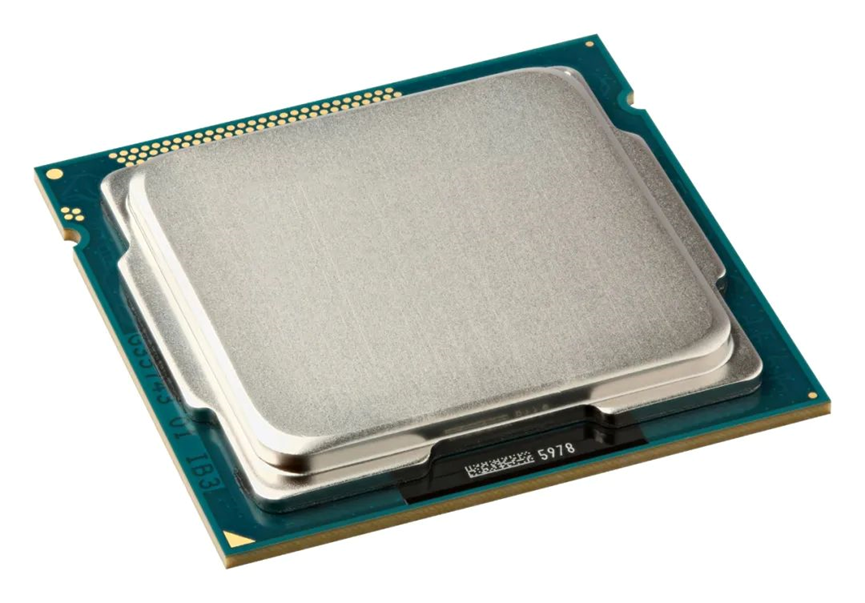
The de-flash
process removes excess material from the mold seal. Soak in 10-20% nitric acid
solution (temperature 50-60°C) for 10-15 minutes to dissolve the spill, then
rinse the residue with high-pressure water (5-10MPa) to ensure a surface
roughness of Ra<1μm and no residual spillage (width <50μm). For
lead-frame packages, EMC residue on the pins also needs to be removed, which
can affect subsequent plating.
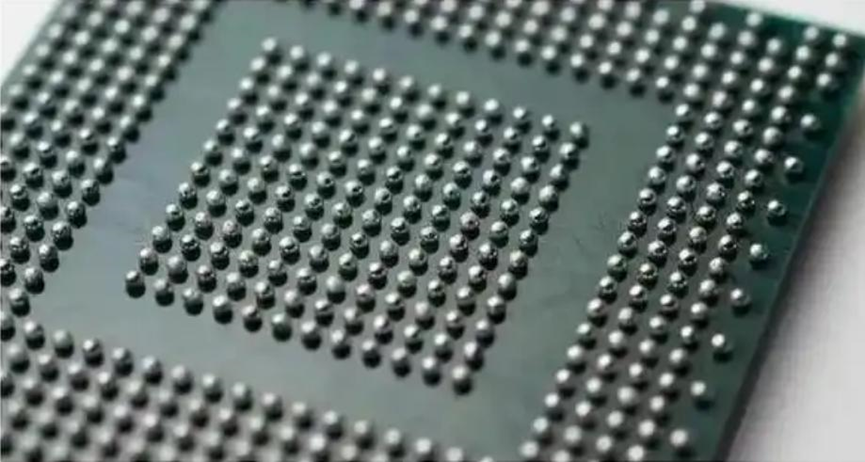
Ball placement is a critical step in BGA encapsulation. Solder paste (viscosity
100-200Pa・s) is printed on the substrate pad, then
solder balls (diameter ± 0.3-0.8mm) are placed with a ball planter (accuracy
5μm) and melted in a reflow oven (245°C±5°C) to form a solder joint. The
coplanarity of the solder balls should be controlled at <25μm, otherwise it
will lead to poor welding. A BGA packaging factory uses X-rays to inspect the
quality of solder balls to ensure that there are no voids or voids (< void
rate is 10%).
Plating improves the solderability and corrosion resistance of the pins. Traditional
processes use Sn-PB alloy plating (5-10μm thickness), but RoHS directives have
pushed for lead-free and are now commonly used with pure tin plating (99.95%
purity) and 8-15μm thickness. After electroplating, annealing should be done at
150°C for 1 hour to inhibit the growth of tin whiskers (whisker length <
10μm) and avoid the risk of short circuit.
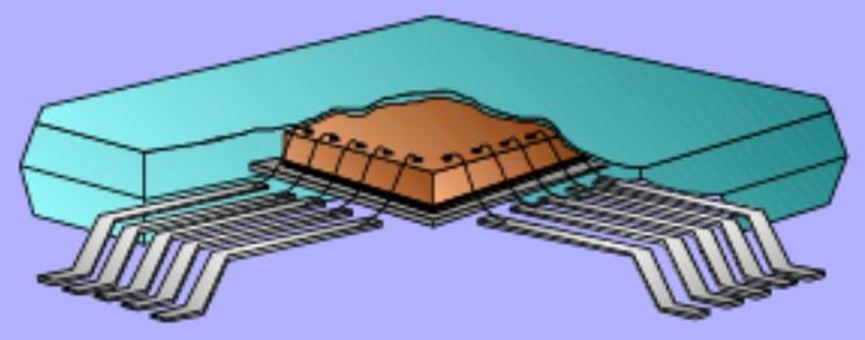
Trim & Form removes excess of the lead frame and bends
the pins into a standard shape (L, J, or in-line). The accuracy of the punching
die needs to reach ±10 μm, ensuring that the pin spacing deviation is < 20
μm and the verticality deviation is < 1°. A QFP package has 208 pins with a
spacing of 0.5mm and a pin coplanarity of < 50μm after rib forming, which
can make PCB soldering difficult.
Final Test
is the final check before leaving the factory. The chip is tested for function,
performance, and reliability through ATE (Automated Test Equipment), including:
DC parameters (voltage, current, resistance), AC parameters (frequency, delay),
and environmental testing (high and low temperature cycles from -40°C to 85°C).
Test coverage needs to be above 95%, ensuring a defect rate of < 100ppm. For
high-end chips, system-level testing (SLT) is also required to simulate
real-world application scenarios and find potential defects.
Laser marking gives the chip an "ID card". The logo, model, batch, and other
information (character height 50-100μm) is engraved on the surface of the
package with a 1064nm fiber laser, ensuring legibility and erasure resistance.
The marking speed can reach 10 characters per second, and the information of
each chip will be recorded in the MES system for full life cycle traceability.
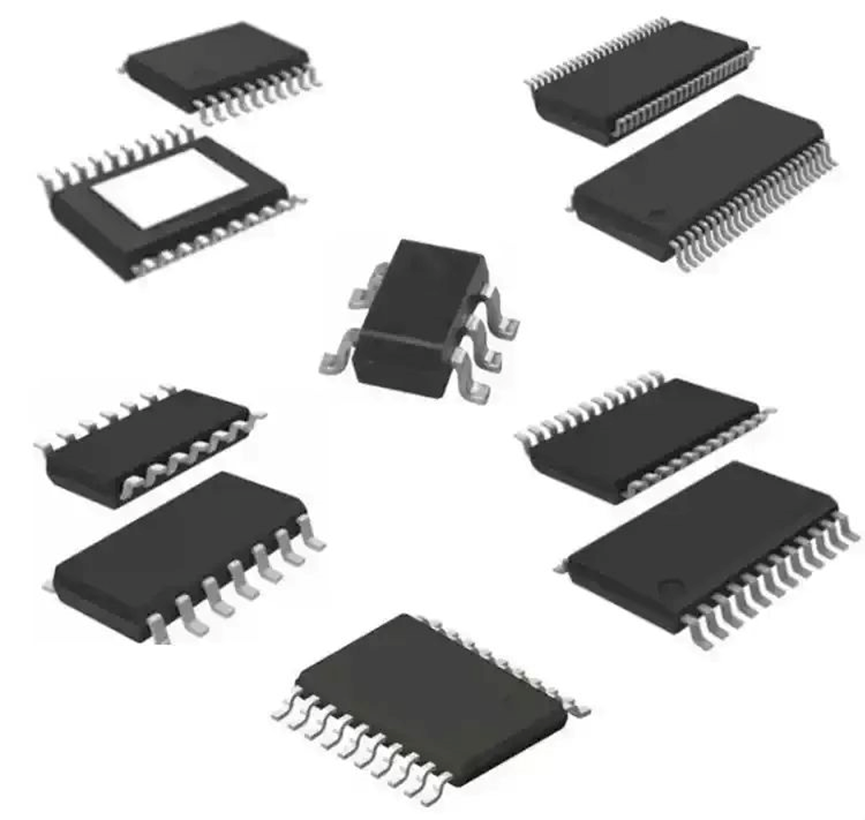
The packaging and delivery process
ensures the safe transportation of chips. Depending on customer needs, chips
are packaged in trays, tapes & reels, or tubes, and chips with humidity
sensitivity levels (MSLs) of 1-6 need to be vacuum-packed.
 Su Gongwang Security 32058302004438