


Замечания:1 创始人: Site Editor Publish Time: 2025-12-19 Origin: Веб - сайт


The Formation Mechanism of Industrial Fouling and Cleaning Technology System
In the complex environment of industrial production, the formation of fouling is like a continuous "invisible erosion." From workshop metal equipment to the inner walls of precision pipelines, from the surfaces of production raw materials to the walls of finished product warehouses, almost all carriers related to production can become "habitats" for fouling. These seemingly insignificant pollutants are actually key factors affecting production efficiency, product quality, and equipment lifespan. In-depth understanding of the formation patterns of industrial fouling and mastery of scientific cleaning technologies are of great significance for ensuring the stable operation of industrial production.
I. Formation Path and Component Analysis of Industrial Fouling
The formation of industrial fouling is not accidental, but the result of the joint action of multiple factors. When equipment, pipelines, raw materials, and other materials come into contact with substances in the surrounding environment, processes such as physical adsorption, chemical reactions, electrochemical corrosion, and biological growth gradually occur, ultimately forming various types of fouling on the surface.
Multiple Sources of Dirt
Gaseous components in the atmosphere are one of the important sources of dirt formation. Sulfur dioxide, hydrogen sulfide, and other acidic gases react with metal elements on the surface of equipment to generate corrosive salts; oxygen forms oxide scales on the metal surface through oxidation, and these are common forms of dirt. In cooling systems, calcium ions, magnesium ions, and bicarbonate ions in circulating water combine to gradually deposit and form scale, similar to the white precipitate that appears on the inner wall of a kettle after long-term use, affecting heat exchange efficiency.Raw materials and products in the production process also bring dirt. Sugars and protein residues in food processing workshops form scabs on the surface of equipment after high-temperature roasting; in chemical production, leaked raw materials accumulate on the inner wall of pipelines to form polymer scale. Mechanical oils are a "heavy 灾区" of dirt. Lubricating oil generates oil sludge due to high-temperature oxidation during equipment operation; rust-preventive oil forms a cured film on the metal surface; hydraulic oil, after leakage, mixes with dust to form viscous matter. This oil dirt not only affects equipment heat dissipation but also exacerbates component wear.Microbial growth is an easily overlooked source of dirt. In humid environments, bacteria and molds reproduce on the surface of equipment to form biofilms, which, when combined with other pollutants, form more difficult-to-remove composite dirt. Additionally, residual old electroplating layers, paint peels, and rust scale generated by metal corrosion are also important components of industrial dirt.
(II) Chemical Classification System of Dirt
According to chemical composition, industrial dirt can be divided into two major categories: inorganic dirt and organic dirt, each with unique properties and hazards.
Inorganic dirt is mainly composed of minerals and metal compounds, common types include metal oxide scale (such as rust, verdigris), water scale (mainly calcium carbonate, magnesium sulfate), and sandy impurities. This type of dirt has high hardness and strong adhesion, particularly forming dense deposition layers on the heat transfer surfaces of high-temperature equipment, severely affecting heat transfer. For example, for every 1 millimeter increase in water scale thickness on the inner wall of a boiler, heat efficiency decreases by 2%–5%, while energy consumption and explosion risk increase. Organic dirt is primarily composed of hydrocarbons, including oil dirt (mineral oil, animal and vegetable oils), polymer scale (resin residues in plastic production), carbohydrate scale (starch deposits in the food industry), and protein dirt (residues on dairy processing equipment), among others. Organic dirt typically has strong adhesion and is prone to oxidation and deterioration. The oil film formed on metal surfaces hinders heat dissipation, and in food production lines, it may breed bacteria, leading to food safety issues.
II. The Hazard Levels and Impact Scope of Industrial Fouling
The hazards of industrial fouling exhibit a "domino effect," spreading from localized failures in single equipment to operational abnormalities in the entire production system. Its impact is extensive and profound. At the production operation level, fouling leads to a decline in equipment performance. Scale on heat exchanger tube walls reduces heat exchange efficiency, requiring more energy to reach production temperatures; polymer deposits in pipelines narrow flow cross-sections, increasing fluid resistance and causing pumps to operate under higher load. These issues directly result in reduced production efficiency and increased energy consumption. Statistics show that industrial fouling accounts for 5%–15% of total energy waste in enterprises. Product quality is the area most directly affected by fouling. Dust and fouling in electronic component production workshops can adhere to chip surfaces, potentially causing circuit short circuits; unclean protein residues on food processing equipment can lead to off-flavors or even spoilage in products. In precision manufacturing, even tiny fouling particles can cause product accuracy to exceed specifications, resulting in batch scrap.
Safety hazards are the most severe threats posed by fouling. Oil fouling on the inner walls of storage tanks can ignite spontaneously under high temperatures; scale in boilers due to uneven heating can lead to explosions; blockages caused by fouling in pipelines can trigger sudden pressure surges. These accidents not only cause equipment damage but also endanger the safety of operators. Additionally, the continuous erosion of materials by fouling significantly shortens equipment lifespan, increasing maintenance and replacement costs. For example, a automotive parts factory suffered direct losses of hundreds of thousands of yuan due to 模具 surface oil fouling not being cleaned promptly, leading to mold corrosion and scrapping.
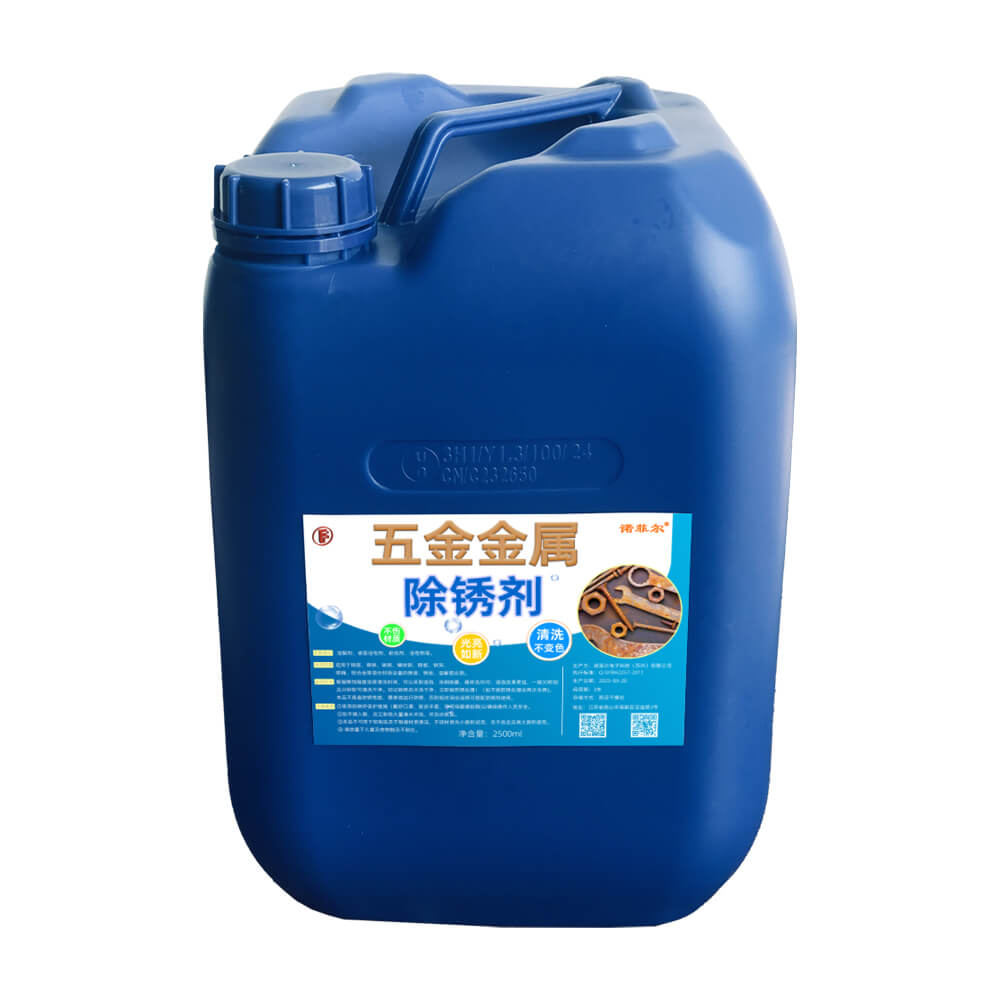
III. The Target System of Industrial Cleaning and Technical Classification
Industrial cleaning is not just simple "dirt removal and cleaning," but a systematic engineering with clear goal orientation. Depending on different cleaning objects and scenarios, the cleaning work needs to achieve multiple goals such as improving appearance, ensuring production, enhancing efficiency, and eliminating hidden dangers.
(1) The core objectives of cleaning
Improving equipment appearance is the most direct cleaning objective. Removing grease stains on workshop walls and rust on equipment surfaces can both enhance the cleanliness of the production environment and facilitate operators in promptly identifying subtle damage to the equipment. Food processing plants maintain the cleanliness of workshop floors and equipment through regular cleaning, which is a basic requirement for obtaining food safety certifications.
Maintaining normal production is the core mission of cleaning work. In the pharmaceutical industry, if biofilms on the inner walls of fermentation tanks are not cleared in a timely manner, they can lead to microbial contamination and affect drug quality; in semiconductor production, particulate contamination on wafer carriers can reduce chip yield. Regular cleaning can ensure the continuity of the production process and reduce unplanned downtime.
Improving production capacity is an indirect benefit of cleaning. After removing scale from heat exchangers, the heat exchange efficiency improves, which can increase production capacity by 10%–20%. The reduced flow resistance in pipelines after cleaning increases the pumping capacity, shortening material turnover time. For example, after thoroughly cleaning a reaction vessel in a chemical plant, the single reaction time was reduced from 8 hours to 6 hours, significantly boosting annual production capacity.Reducing production accidents is the safety value of cleaning work. Removing oil scale from storage tanks can reduce fire risks; cleaning boiler scale can prevent pipe burst accidents; regularly cleaning the dirt on safety valves can ensure they operate normally under overpressure. These measures build a solid safety defense line, safeguarding industrial production.
(II) Three-dimensional classification of cleaning technology
Industrial cleaning technology is divided into three major categories—chemical cleaning, physical cleaning, and biological cleaning—based on their operating principles, each with its unique applicable scenarios and operational characteristics.
Chemical cleaning is a technology that uses the chemical reaction between chemical reagents and dirt to achieve decontamination. Acid cleaning solutions primarily use hydrochloric acid as the main component, adding inhibitors, wetting agents, and other auxiliaries, which can effectively remove rust and scale on metal surfaces, similar to using a rust remover to treat a rusty door, converting insoluble rust into soluble substances through chemical reactions. Alkali cleaning solutions are good at removing oil and grease deposits. In the cleaning of frying equipment in food processing plants, alkaline solutions react with oil through saponification, converting viscous oil deposits into soap-like substances that are soluble in water. Solvent cleaning is suitable for removing organic polymer deposits, such as using acetone to clean resin residues on adhesive equipment.
Physical cleaning relies on mechanical force, thermal energy, and other physical effects to remove dirt. High-pressure water jet cleaning is like an "industrial high-pressure water gun," using high-pressure water flow (tens of MPa) to impact the inner wall of pipes, shattering hard water scale and flushing it away; ultrasonic cleaning uses the impact force generated by the collapse of microscopic bubbles produced by high-frequency vibrations to remove fine dirt from the surface of precision parts and is widely used in the cleaning of electronic components. Dry ice cleaning is an environmentally friendly physical cleaning method that uses the low temperature of dry ice particles (-78.5°C) to make dirt brittle and strips it off through high-speed ejection, especially suitable for equipment that is not suitable for washing with water.Biological cleaning is a technology that uses the catalytic effect of microorganisms or biological enzymes to decompose dirt. In the pipeline cleaning of wastewater treatment plants, the microbial flora added can decompose organic dirt into harmless carbon dioxide and water; protease cleaning agents used in the food industry can decompose protein deposits into small molecular amino acids, achieving efficient decontamination. This cleaning method is environmentally friendly and mild, but it has higher requirements for environmental conditions such as temperature and pH value.
4. Material characteristics of cleaning objects and matching principles
Different cleaned materials have unique physicochemical properties, which determines that the selection of cleaning technology andЧистящие средства must follow the principle of "treatment based on material."
Metal materials are the most common cleaning objects in industrial production, with a wide variety of types and different characteristics. Carbon steel and ordinary carbon steel have poor corrosion resistance, and strong acidic cleaning agents should be avoided during cleaning to prevent excessive corrosion; although stainless steel has good corrosion resistance, if it comes into contact with chloride ions during the cleaning process, stress corrosion cracking may occur, so special chlorine-free cleaning agents should be selected. Copper and copper alloys are easily corroded under acidic conditions, and neutral cleaning agents should be used; aluminum and aluminum alloys have an oxide film on the surface, and the concentration and time of alkali cleaning must be strictly controlled to prevent the oxide film from being damaged.
Organic non-metallic materials have good corrosion resistance but low mechanical strength. Plastic pipes cannot use high-temperature and high-pressure physical cleaning methods during cleaning to avoid deformation; rubber seals may swell when in contact with organic solvents and require the use of water-based cleaning agents. Inorganic non-metallic materials such as ceramics and glass, although they have high-temperature resistance and chemical corrosion resistance, are brittle, and the power must be controlled during ultrasonic cleaning to avoid breakage. Composite materials, due to their composition of multiple components, require more caution during cleaning. For example, fiberglass equipment cannot withstand high temperatures and is sensitive to certain organic solvents, and low-pressure spraying combined with neutral cleaning agents is usually used.
V. System Construction and Application Specifications of Chemical Cleaning Agents
ChemicalЧистящие средства are the "core weapons" of industrial cleaning, with a rich variety and diverse performance. Building a scientific cleaning agent system is the key to ensuring cleaning effectiveness.
Water and non-aqueous solvents constitute the basic system of cleaning agents. As the most abundant solvent in nature, water is not only a solvent for many types of dirt but also a carrier for most chemical cleaning agents, playing a role in dissolving, diluting, and transporting during the cleaning process. Non-aqueous solvents excel in removing organic dirt. Hydrocarbon solvents can dissolve oil dirt, and ether solvents can remove resin dirt. Just like gasoline can easily wipe off engine oil from hands, these solvents strip dirt from the substrate surface through dissolution or swelling.
Acid washing solutions have a complex and precise composition. In addition to the main acid (such as hydrochloric acid, sulfuric acid), corrosion inhibitors need to be added to protect the metal substrate, wetting agents to enhance the solution's penetration, defoamers to reduce the interference of foam during cleaning, and thickeners to extend the solution's stay time on vertical surfaces. The acid washing process has strict procedural specifications, from alkali washing to remove oil to hot water rinsing, from main acid treatment to neutralization passivation, each step requires precise control to remove rust and scale while avoiding substrate damage.
Alkali washing solutions, although slower in rust removal speed and relatively higher in cost, are indispensable in specific scenarios due to their advantage of not causing metal corrosion. In aluminum alloy part cleaning, alkaline solutions can effectively remove oil without damaging the substrate; in food equipment cleaning, alkalineЧистящие средства can kill bacteria, meeting hygiene requirements. Surfactants are the "booster" for enhancing cleaning effectiveness. Their molecular structure contains both hydrophobic and hydrophilic groups, allowing them to act like a "bridge" to connect oil dirt and water, achieving emulsification and dispersion. Anionic surfactants have strong decontamination ability under alkaline conditions and are suitable for industrial oil dirt cleaning; cationic surfactants have a bactericidal effect and are commonly used for medical and health equipment cleaning; non-ionic surfactants have good stability and can maintain activity in high-temperature, high-salt environments, making them ideal for complex industrial scenarios.
Metal chelating agents play a unique role in scale removal. Ethylenediaminetetraacetic acid (EDTA) can form stable chelates with calcium and magnesium ions, dissolving scale; citric acid in boiler cleaning can not only remove rust but also prevent secondary deposition through chelation. These chelating agents act like "molecular forceps," firmly grasping metal ions and converting stubborn scale into soluble substances. The development of industrial cleaning technology has always been closely linked to environmental requirements and production needs. From traditional solvent cleaning to modern water-based cleaning, from manual scrubbing to automated cleaning lines, technological advancements have not only improved cleaning efficiency but also reduced environmental impact. In the future, with the integration of intelligent technology, industrial cleaning will move towards precision, greenness, and efficiency, providing stronger support for the sustainable development of industrial production. In this process, a deep understanding of the formation mechanism of dirt and the scientific selection of cleaning technology and agents will become an important issue for every industrial enterprise to enhance its core competitiveness.
 Безопасность сети 32058300438