


Замечания:1 创始人: Site Editor Publish Time: 2025-12-29 Origin: Веб - сайт


In the transition of the electronics
manufacturing industry toward lead-free processes, traditional lead-based
processes coexist with new lead-free components, creating a complex process
environment. Among these, the mixed assembly soldering of lead-free BGAs and
leaded components has become a typical challenge in process integration. This
technological intersection not only involves matching material characteristics
but also tests the synergy capability of the entire production chain—from micron-level precision control in PCB layout design to managing
temperature fluctuations of ±1°C
during soldering. Even minor deviations in each step can lead to an
order-of-magnitude decrease in product reliability. Based on the stringent
quality standards of aerospace and military products and incorporating data
from thousands of production batches, this paper establishes a full-process
quality control system covering design, materials, processes, and inspection,
providing a systematic solution for high-reliability electronic assembly.
Microstructural Optimization and Process
Adaptation in PCB Design
As the soldering carrier, the design
quality of the PCB directly determines the process window for mixed assembly of
lead-free BGAs. In thermal management design, the use of "zonal thermal
resistance regulation" technology significantly improves soldering
temperature uniformity: dividing the PCB into a core heating zone (BGA area),
transition zone (within 3mm surrounding area), and peripheral zone. Through a
gradient design of copper foil thickness (105Мm in the
core zone, 70Мm in the transition zone, 35Мm in the peripheral zone), the temperature difference during
soldering is controlled within 3°C. Practice in an
aerospace product shows that this design can reduce the voiding rate of BGA
solder joints from 12% to below 5%.
Fluid dynamics optimization of pad
morphology is crucial: The aspect ratio of elliptical pads, verified by fluid
simulation, shows that 1.5:1 is the optimal value. At this ratio, the flow rate
of molten solder increases by 27% compared to circular pads. For BGA soldering
with a 0.8mm pitch, the copper exposure defect rate can be controlled below
0.3%; The solder mask opening for SMD pads adopts a "stepped slope"
design, forming a gentle slope 0.1mm high outward from the pad edge. This
structure increases gas escape speed by 40%, reducing the number of voids
larger than 50Мm in diameter by 65% in SnAgCu solderball soldering; For large component pads on side A in double-sided soldering,
setting a 0.2mm wide solder mask dam with a 0.1mm deep annular groove can
reduce the lifting force of solder joints from 8N in traditional designs to
2.5N, fully meeting military vibration test requirements (10Hz~2000Hz, 20g
acceleration).
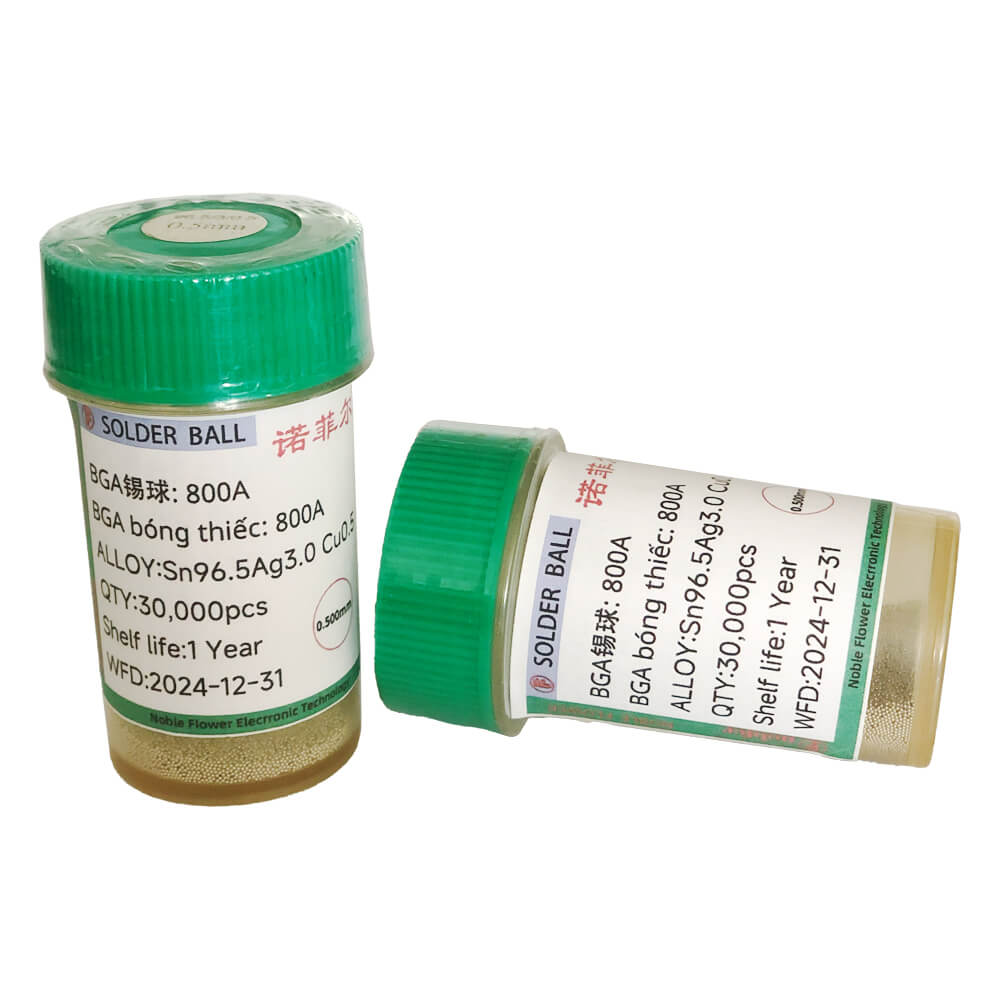
Process details in via treatment determine
soldering reliability: Plated-through holes for through-hole components use a
"tapered hole" design, with an entrance diameter 0.25mm larger than
the pin and an exit diameter 0.2mm larger. This structure achieves a solder
fill height of over 85% of the hole depth, a 15% improvement over straight-hole
designs; Blind vias under BGA pads use laser drilling, with hole mouth flatness
error controlled within 3Мm and hole wall roughness Ra ≤ 0.4Мm, avoiding uneven solder accumulation
caused by traditional mechanical drilling; Vias in the wave soldering area
undergo "resin filling + electroless nickel plating" dual sealing.
The thermal expansion coefficient matching between the filling resin and the
FR-4 substrate must reach over 95% (difference ≤ 5×10⁻⁶/°C),
ensuring no cracks occur during -55°C to 125°C temperature cycling.
Rework compatibility design must consider
multi-scenario requirements: Within a 5mm gap in the hot air rework area, no
components taller than half the BGA height should be placed, and Ф3mm positioning holes for the hot air nozzle must be reserved; In
the 0.5mm gap for laser rework areas, low-profile components (height ≤ 1mm) are allowed, but copper foil in the laser path must be
blackened to reduce reflectivity and improve heating efficiency; BGAs larger
than 15mm×15mm should have four fiducial marks (two on
each diagonal), using an "outer circle inner square" structure (outer
Ф1mm circle + inner 0.5mm square), achieving a rework
alignment accuracy of ±0.03mm.
Precision Management System for the Full
Lifecycle of Materials
Material management for mixed assembly of
lead-free BGAs requires establishing a "gene-level" traceability
system to eliminate mixing risks from the source. Components adopt a
"three-dimensional identification" system: body laser marking
(including Pb-free symbol), packaging QR code (storing material certificates,
batch test data), and tray color coding (green for lead-free devices, blue for
leaded). Implementation data from a military enterprise shows this
identification system can reduce mixing error rates from 0.05‰ to 0.001‰.
Microclimate control of the storage
environment is particularly critical: Temperature and humidity in the lead-free
device storage area are monitored in real-time (10°C~35°C / 40%~70% RH), with data recorded three times daily. Automatic
alarms trigger when deviations exceed ±2°C or ±5% RH; Shelving uses anti-static
materials with a layer spacing ≥ 150mm to ensure good
ventilation, and the bottom shelf is ≥ 300mm from the
floor to prevent ground moisture effects; Components opened from packaging must
be soldered within 48 hours. Unused devices exceeding this time must undergo
solderability retesting (according to GJB360B method 2026) before reuse.
PCB substrate selection follows the
"temperature-reliability" matching principle:
For products with peak temperatures below
240°C, use high heat-resistant FR-4 with Tg150°C (e.g., Isola FR408), whose heat deflection temperature (HDT) is ≥ 180°C, maintaining 90% mechanical strength
after 100 soldering cycles; For products in the 240°C~250°C range, use FR-5 substrate (e.g., Panasonic R-1515), whose glass
transition temperature is 20°C higher than FR-4 and
thermal conductivity is 15% higher; Military high-frequency products recommend
using polytetrafluoroethylene (PTFE) substrates (e.g., Rogers RO4350), whose
dielectric constant stability (change rate ≤ 0.5%) at
250°C soldering temperature is far superior to epoxy
substrates.
Metallurgical compatibility control of pad
plating:
Pb-Sn Hot Air Solder Leveling (HASL)
plating thickness is controlled between 1.2Мm~2.5Мm, with pad surface roughness Ra ≤ 1.6Мm. Its bonding strength with Sn63Pb37 solder paste can reach 22N, 5%
higher than Electroless Nickel Immersion Gold (ENIG); Electroplated Ni/Au
should have a nickel layer thickness of 5Мm~8Мm (ensuring sufficient diffusion barrier capability), and the gold
layer is strictly controlled between 0.05Мm~0.15Мm. Excessively thick gold layers increase solder joint brittleness;
when the gold layer reaches 0.3Мm, shear strength
decreases by 30%; Mixed plating designs like "one side HASL + one side
ENIG" are prohibited, as they can cause a thermal absorption difference of
up to 8% during double-sided reflow, leading to uneven temperature distribution
for BGA solder joints.
Synergistic optimization of solder and
flux:
The metal content of Sn63Pb37 solder paste
is controlled at 90%±1%. For BGAs with a 0.5mm pitch,
use Type 4 powder (20Мm~38Мm)
with sphericity ≥ 0.85 and spreadability ≥ 85% in solderability tests; Hand-soldering solder wire uses a
"multi-core" structure (outer layer Sn63Pb37, inner layer containing
2.3% RMA flux). For 0.6mm diameter wire soldering 0.8mm pitch joints, the
bridging rate can be controlled below 0.1%; Wave soldering flux with 0.3%
silicone modifier reduces surface tension to 28mN/m, maintains 80%
spreadability at 260°C, and the post-soldering residue
insulation resistance is ≥ 10¹¹Ω.
Precision Control Technology for the
Temperature Field in Mixed Assembly Soldering
Mixed assembly soldering of lead-free BGAs
and leaded components requires establishing a "dynamic temperature
compensation" system, ensuring optimal temperature ranges in all areas
through real-time monitoring and feedback adjustment. Reflow ovens should use
10-zone hot air vacuum type equipment (e.g., Heller 1913 MKIII), with
temperature control accuracy of ±0.5°C in upper and lower heating zones, transverse temperature
difference on the conveyor belt ≤ 1°C. Combined with nitrogen protection (oxygen content ≤ 500ppm), this can control the IMC layer thickness of solder joints
within the ideal range of 1Мm~2Мm.
Segmented precise setting of the
temperature profile:
- Preheating zone (80°C~150°C) uses a "stepped heating"
mode: heating rate of 1°C/s from 80°C~120°C, and 0.8°C/s
from 120°C~150°C, minimizing
thermal stress on the PCB and components. One test showed this method reduced
MLCC cracking rate from 2% to 0.3%; Soak zone (150°C~183°C) is maintained for 50s, achieving over 90% flux activation,
effectively removing oxide layers (thickness ≤ 5nm)
from pad surfaces; Reflow zone uses "peak temperature zonal control":
240°C±2°C for lead-free BGA areas, ≤ 230°C for leaded component areas, achieving temperature difference
control through local hot air adjustment. Time above liquidus is strictly
controlled at 60s±5s.
Differentiated temperature control
strategies for different components:
When a PCB contains both lead-free BGAs and
leaded QFPs, install an independent water-cooled cooling module under the QFP
area, keeping its temperature 12°C lower than the BGA
area. This ensures complete melting of Сварочный шар BGAs while preventing
overheating oxidation of QFP leads; Set a "thermal barrier" (copper
foil clearance) within a 3mm range around heat-sensitive components like
tantalum capacitors, combined with low-power heating, to control soldering
temperature between 220°C~225°C,
well below their 260°C heat resistance limit; For
double-sided reflow, solder small components on side B first (mass/area ratio ≤ 25g/in²), then solder large components on
side A. During the second soldering, the bottom temperature should be 25°C lower than the top. Through thermal simulation optimization, the
secondary melting rate of side B solder joints can be controlled below 5%.
Special soldering control for lead-free
BGAs:
BGAs with SnAgCu solder balls use a
"backward compatible profile," maintaining a 240°C peak temperature for 20s to ensure complete melting of solder
balls and thorough mixing with leaded solder paste, forming a uniform
Sn-Pb-Ag-Cu quaternary alloy. Solder joint shear strength can reach over 35MPa;
For lead-free components with Sn-plated terminations, soldering at 230°C forms
a continuous Cu₆Сн.₅ IMC layer about 1.5Мm thick, with interface
bonding strength 15% higher than soldering at 220°C; Components with Ag/Pd/Au plating require
maintaining 235°C
for 30s to promote diffusion reactions between precious metals and solder. For
example, Pd plating under these conditions can form PdSn₄ intermetallic compounds, avoiding brittle phase formation.
Mechanism Analysis and Systematic
Prevention of Cold Solder Defects
Cold solder, a critical defect in mixed
assembly soldering, is directly related to uneven spatiotemporal distribution
of heat supply. High-speed camera observation (1000 frames/s) reveals that
normal BGA solder joints undergo two characteristic collapse stages: Stage 1
(around 217°C): solder ball diameter increases by 35%,
in a semi-molten state; Stage 2 (240°C): solder ball
height decreases by 50%, forming a bright truncated cone-shaped solder joint.
Cold solder joints only complete Stage 1, failing to enter Stage 2 due to
insufficient heat, resulting in incomplete IMC layer development (thickness ≤ 0.5Мm), an orange peel-like surface, and
shear strength only 40% of normal joints.
Three-dimensional control system for cold
solder prevention: Temperature Verification: Use 3 thermocouples (BGA center,
edge, PCB backside) for real-time monitoring of the first piece per batch,
ensuring temperature difference ≤ 3°C and peak temperature ≥ 238°C. One company reduced the cold solder rate from 5% to 0.5% using
this method; Solder Paste Printing: Control solder paste printing thickness for
lead-free BGAs at 110Мm±5Мm. Stencil apertures use a "center-edge gradient design"
(center 5% smaller than edge) to compensate for thermal shrinkage differences
during soldering, improving solder paste distribution uniformity by 20%;
Equipment Maintenance: Calibrate the hot air circulation system weekly to
achieve wind speed uniformity ≥ 95%. Clean flux residue
inside the oven chamber monthly (thickness ≤ 0.1mm) to
prevent heating efficiency degradation due to increased thermal resistance.
Multi-dimensional Inspection System for
Solder Joint Quality
Quality inspection of mixed assembly solder
joints for lead-free BGAs requires a comprehensive
"optical-mechanical-electrical" evaluation: 3D SPI Inspection:
Measures solder joint collapse height (should be 45%~55% of original solderball diameter), surface roughness Ra ≤ 0.6Мm, and offset ≤ 20% of pad diameter. These
parameters show strong correlation (R²=0.92) with
solder joint reliability; X-ray Inspection: Uses equipment with 20Мm resolution. Single solder joint void area ≤ 12%, average void rate per device ≤ 8%.
Voids larger than 100Мm in diameter or continuous void
chains are prohibited; Ultrasonic Inspection: C-SAM equipment can detect
micro-cracks (length ≥ 5Мm)
inside solder joints, ensuring no potential failure risks. Military-grade
standards for reliability verification: Temperature Cycling: -55°C~125°C, 1000 cycles. No cracks in solder
joints after testing, shear strength retention ≥ 85%,
significantly higher than the 70% requirement for commercial products; Damp
Heat Test: 40°C/95% RH, 1000 hours. Insulation
resistance ≥ 10¹¹Ω, no
electrochemical migration (dendritic growth ≤ 10Мm); Vibration Test: 10Hz~2000Hz, 20g acceleration, 6 hours duration.
No solder joint detachment, resistance change rate ≤
5%.
Special reliability control for MLCCs:
Design: Connect pads to large-area ground copper foil via 0.3mm wide
"thermal buffer" traces, reducing thermal stress during soldering by
40%; Process: Avoid via-in-pad design. If necessary, use "resin plugging +
plating fill" process, with hole mouth flatness error ≤ 2Мm; Screening: Use both C-SAM and SLAM
inspection to eliminate MLCCs with internal micro-cracks (length ≥ 10Мm). Screening pass rate must be ≥ 99.8%.
Intelligent Process Upgrade and Future
Technology Directions
Mixed assembly soldering of lead-free BGAs
is moving towards "digital twin" development, achieving full-process
optimization through virtual soldering models: Machine learning-based
temperature profile prediction systems can automatically generate optimal
parameters based on PCB design and component distribution, reducing
trial-and-error costs by 60%; Online visual inspection systems (5Мm resolution) combined with AI algorithms can identify 99.9% of
defects like cold solder and voids in real-time and automatically adjust
process parameters; Digital traceability platforms record full-process data
from design to soldering, supporting quality traceback and analysis throughout
the product lifecycle.
New material technologies offer
possibilities for breakthroughs in mixed assembly processes:
Low-silver lead-free solder paste
(SnAg1Cu0.5) with a melting point reduced to 217°C
offers better compatibility with leaded processes, reducing thermal shock on
leaded components. One test showed it reduced QFP lead oxidation by 30%;
Nano-composite flux with added graphene (0.5% content) increases solder joint
thermal conductivity by 45%, lowering operating temperature by 10°C~15°C; Biodegradable flux using natural
plant extracts can completely dissolve in 60°C water
within 30 minutes, with residue ≤ 0.1mg/cm², meeting high cleanliness requirements.
 Безопасность сети 32058300438