


Замечания:1 创始人: Site Editor Publish Time: 2026-01-19 Origin: Веб - сайт


Talking about the rework of BGA
BGA's basic cognition and unique
strengths
BGA, or Ball Grid Array Packaging
Technology, is designed to strategically arrange circular or columnar solder
joints in the form of an array at the bottom of the chip. Compared with
traditional chip packaging methods, the most significant difference of BGA
packaging is that the solder joints are completely hidden under the chip, which
brings many irreplaceable advantages to it.
The first is a higher density pin layout.
Since the solder joints are arranged in an array at the bottom of the chip, it
can get rid of the space limitation of traditional packaging pins arranged
around the chip and can accommodate more pins on the same chip area, which is
crucial for modern electronic products that pursue miniaturization and high
performance, and can effectively improve the connection efficiency between the
chip and external circuits.
The second is better electric heating
performance. The array of solder joints makes the conduction of current and
heat more uniform, reduces interference and delay during signal transmission,
and is also conducive to the rapid dissipation of heat generated during chip
operation, ensuring the stability and reliability of the chip during high-load
operation.
However, this unique structure also makes the BGA rework process relatively complex, with high requirements for operating technology and equipment, which is also one of the characteristics that BGA packaging needs to focus on.
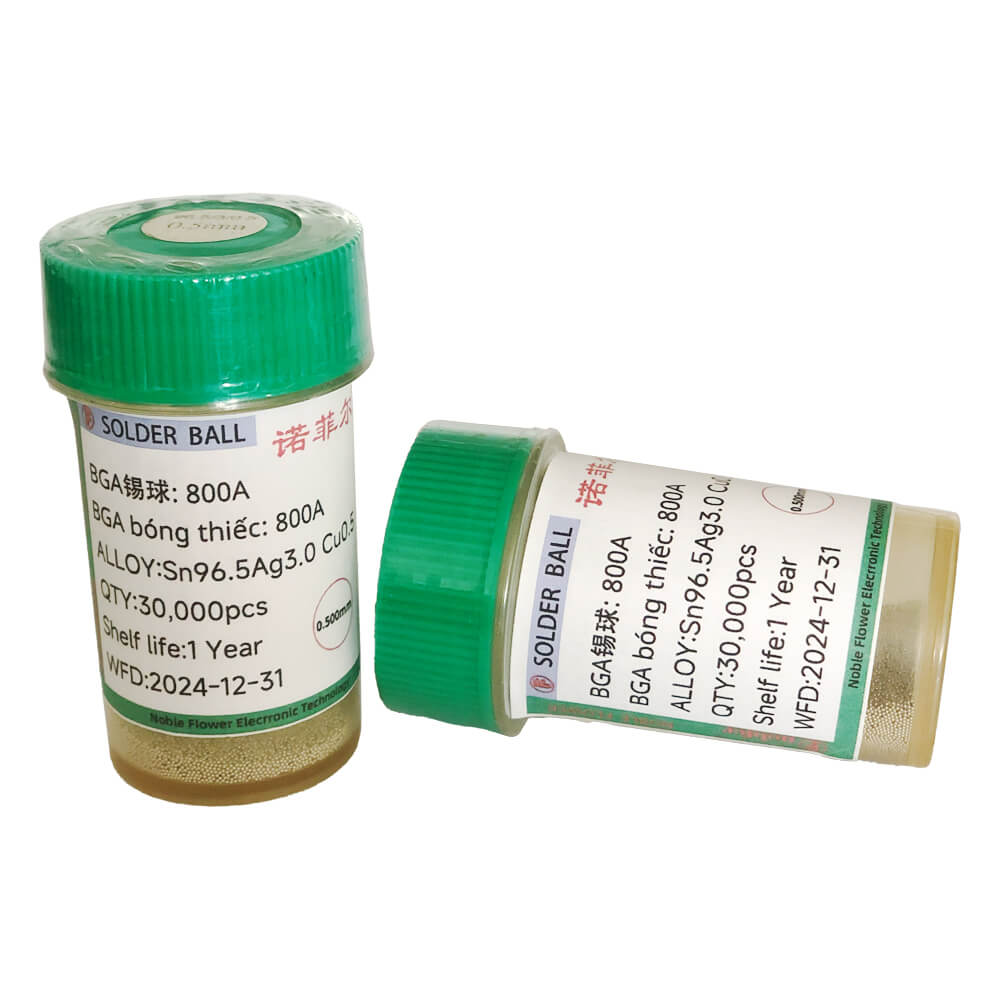
Common BGA types and their
characteristics
2.1 PBGA (Plastic Package)
PBGA is widely used in the market, and its
most prominent advantages are its low cost and relatively easy machining
process, making it suitable for large-scale production.
In terms of characteristics, the melting
point of conventional solder used in PBGA varies depending on the type:
lead-based solder has a melting point of 183°C and lead-free solder has a
melting point of 217°C. This difference in melting point requires special
attention during the rework process to ensure precise control of the welding
temperature.
In addition, PBGA has an important
consideration - it must be treated well against moisture. Because
plastic packaging materials are easy to absorb moisture from the air, if the
moisture is not properly protected, moisture evaporation may cause the package
to crack as the temperature rises during soldering or rework, affecting the
performance and life of the chip.
2.2 CBGA
CBGA is known for its excellent moisture
resistance and stable construction, which can maintain good working conditions
in harsh environments.
Its characteristics are as follows: the use
of a solder ball with a high melting point, the solder ball composition
contains 90% lead and 10% tin, which allows the solder ball to maintain stable
morphology and performance even in high-temperature environments. The diameter
of the welding ball is 0.889mm, which helps improve the precision and
reliability of welding.
At the same time, CBGA does not produce
solder residue during the soldering process, which reduces a lot of trouble for
subsequent inspection and rework work, and also reduces the risk of problems
such as short circuits due to solder residue.
BGA rework process analysis
3.1 Pretreatment preparation: the key
link that determines the success or failure of rework
The quality of work in the pretreatment
preparation stage is directly related to the success rate and efficiency of the
entire rework operation, so it must be given due attention.
Drying treatment: remove moisture to
ensure safety
Drying treatment is a key link in the
preparation of pretreatment, and its core purpose is to completely remove
residual moisture from the chip and circuit board, avoiding component damage or
soldering failure caused by moisture evaporation during the subsequent heating
process.
In terms of operating specifications, two
points must be strictly observed: first, after baking, the subsequent rework
process must be completed within 24 hours to prevent the components from
absorbing moisture from the air again; Second, before drying, temperature-sensitive
components on the board, such as batteries and optical fibers, need to be
removed in advance, which are likely to lose their original functions if
exposed to high temperatures.
Protective measures: meticulous
protection to avoid damage
To prevent damage to peripheral components
caused by high temperatures and operations during rework, components within
10mm of the rework area need to be effectively protected.
The specific protection method is to use
5-6 layers of high-temperature tape to seal and cover the relevant areas,
focusing on protecting radiators, capacitors and other components that are
susceptible to high temperatures or are more fragile, ensuring that these
components are not damaged by excessive temperature or accidental touch during
the repair process.
Tool configuration: reasonable
selection, stable support
In terms of tool configuration, the
selection of heating nozzles needs to be determined according to the
specifications of the BGA, usually using nozzles with BGA size plus 2-5mm to
ensure uniformity and targeting of heating.
For large PCB boards, due to their large
area, they are prone to deformation due to uneven heating during rework, so
they need to be supported. When supporting, the center of the board should be
preferred as the support point, and be careful not to rely on the components on
the board for support to avoid damage to the components.
3.2 Temperature curve setting: precise
control to ensure quality
Since many factors such as board material,
component size, and solder type affect temperature during BGA rework, every
rework operation requires precise setting of the temperature profile.
When setting temperature profiles,
historical curve data from this model BGA or similar board should be
prioritized, as these data have been proven to provide a reliable reference for
temperature settings. If historical data is not available, field testing is
required, using a test plate of the same specification as the rework board, and
the thermocouple drilling is fixed to the weld ball to accurately monitor
temperature changes during the welding process.
In terms of the selection of curve type, it
is recommended to use a triangular tent curve. The heating rate of this curve
should be controlled at <3°C/sec and the cooling rate should be controlled
at <5°C/sec, so as to avoid damage to components or circuit boards caused by
thermal shock caused by rapid temperature changes.
In addition, temperature control focuses on
preheating the bottom of the PCB, which effectively prevents the board from
deforming due to excessive local temperature. At the same time, the entire
heating process must be controlled in strict accordance with the melting point
temperature of the solder used to ensure that the solder can fully melt and
form a good solder joint without damaging the components due to excessive
temperature.
Through the above detailed explanation of
BGA's basic cognition, type characteristics and rework process, it is hoped to
provide a practical reference for relevant practitioners. If you would like to
delve deeper into a particular aspect or have other specific requirements,
please feel free to ask.
 Безопасность сети 32058300438